Craftsmanship
The Art of Mosaic
A Living Tradition of Handcrafted Beauty
Nov 23, 2025
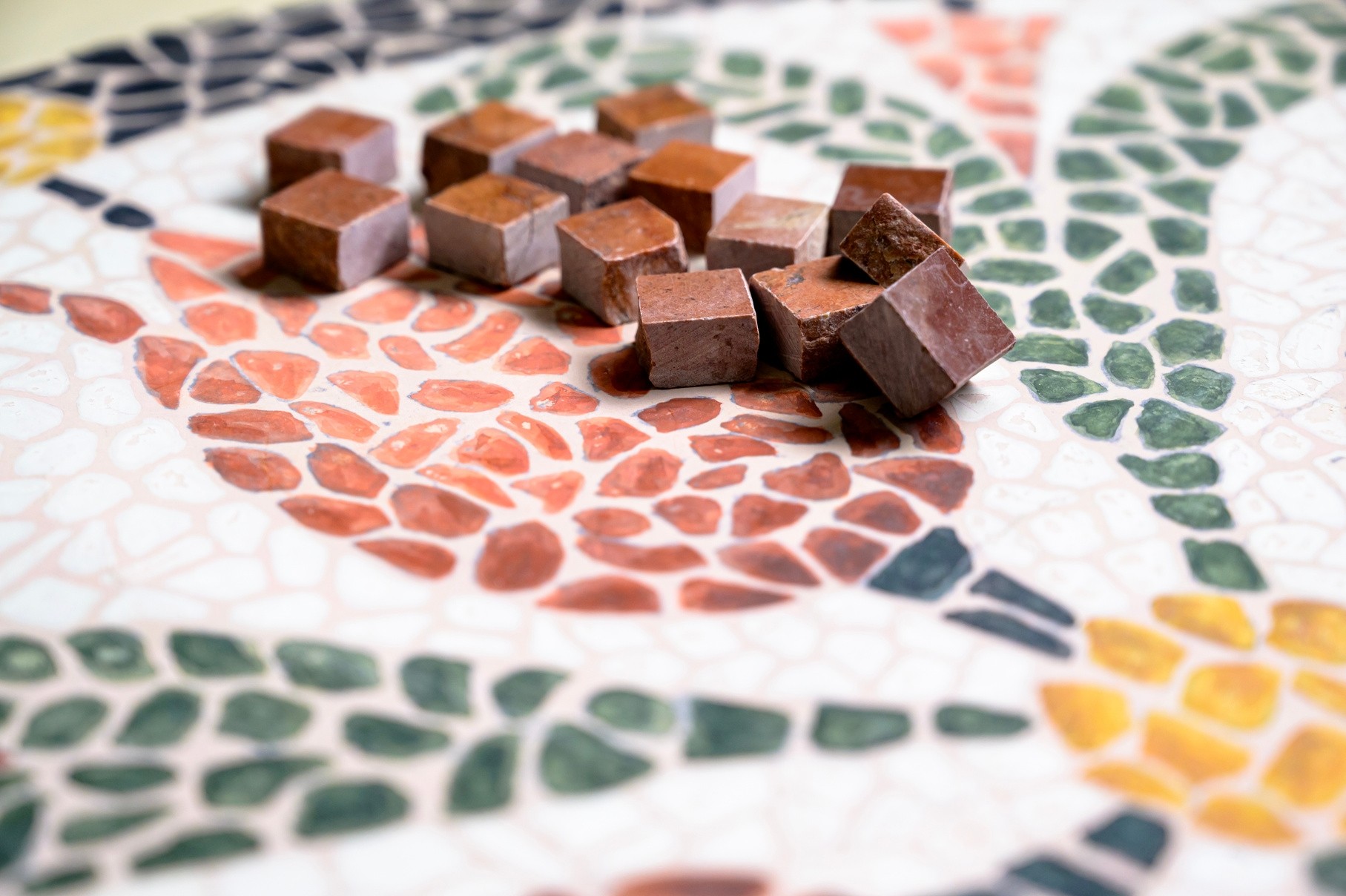
Mosaic is one of the oldest decorative arts known to humanity. Long before digital patterns and industrial surfaces existed, humans were already telling stories, building symbols, and shaping spaces one stone at a time. From ancient Mesopotamia to Roman villas, from Byzantine churches to contemporary architectural masterpieces, mosaic has always been more than decoration. It is a language made of fragments.
A Tradition Born in Antiquity
The earliest mosaics date back thousands of years. In ancient Greece and Rome, small stones and glass pieces were used to create geometric floors and monumental figurative scenes. Later, the Byzantine Empire elevated mosaic to a spiritual and symbolic art form, covering domes and apses with shimmering gold backgrounds and sacred imagery.
What makes mosaic unique among decorative techniques is its continuity. While many crafts have been replaced or transformed by industrial processes, mosaic has preserved its essence. The tools have evolved slightly, the materials have expanded, but the soul of the craft is still the same: human hands shaping matter with patience and vision.
The Essence of Manual Craftsmanship
Real mosaic is not manufactured. It is built, fragment by fragment. Every single tile — called a tessera — is cut, shaped, selected, and placed by hand. There is no automation that can truly replicate the slight irregularities and natural rhythm created by an experienced artisan.
The difference is immediately visible. Handmade mosaic surfaces carry texture, vibration, and depth. Light behaves differently on a handcrafted tessera than on a machine-made tile. Each small imperfection is actually a signature — a trace of the human hand behind the work.
Mosaic artisans are not just installers. They are interpreters. They translate drawings, concepts, and architectural visions into matter. Their hands connect design with reality.
The Mosaic Process: From Concept to Surface
The creation of a mosaic starts long before any tile touches the surface.
It begins with concept and design. Patterns, images, or compositions are studied, refined, and adapted to the architectural context. Colors, materials, and textures are selected according to the environment, lighting conditions, and the emotional atmosphere the space should convey.
Once the design is finalized, the real craft begins.
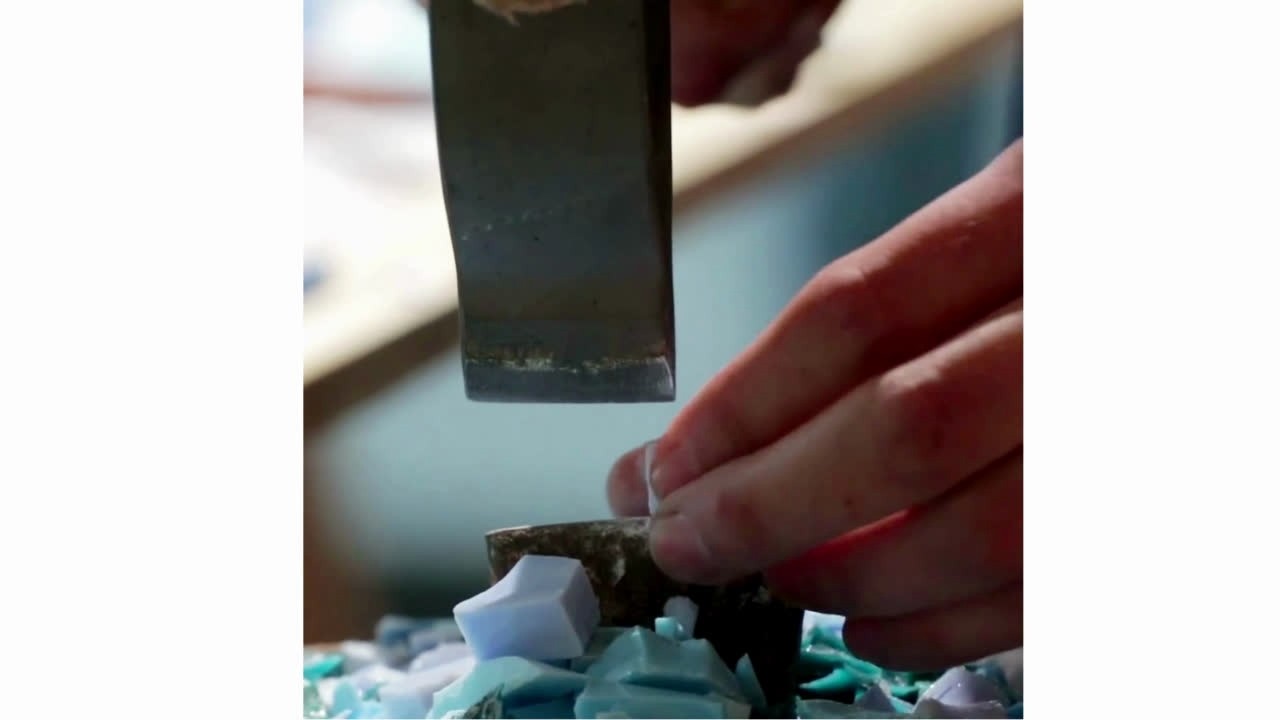
Each tessera is cut manually using traditional tools such as hammers and hardies. The cutting process is a fundamental step: it determines the shape, texture, and rhythm of the final surface. No two pieces are ever perfectly identical.
There are two main handcrafted mosaic techniques.
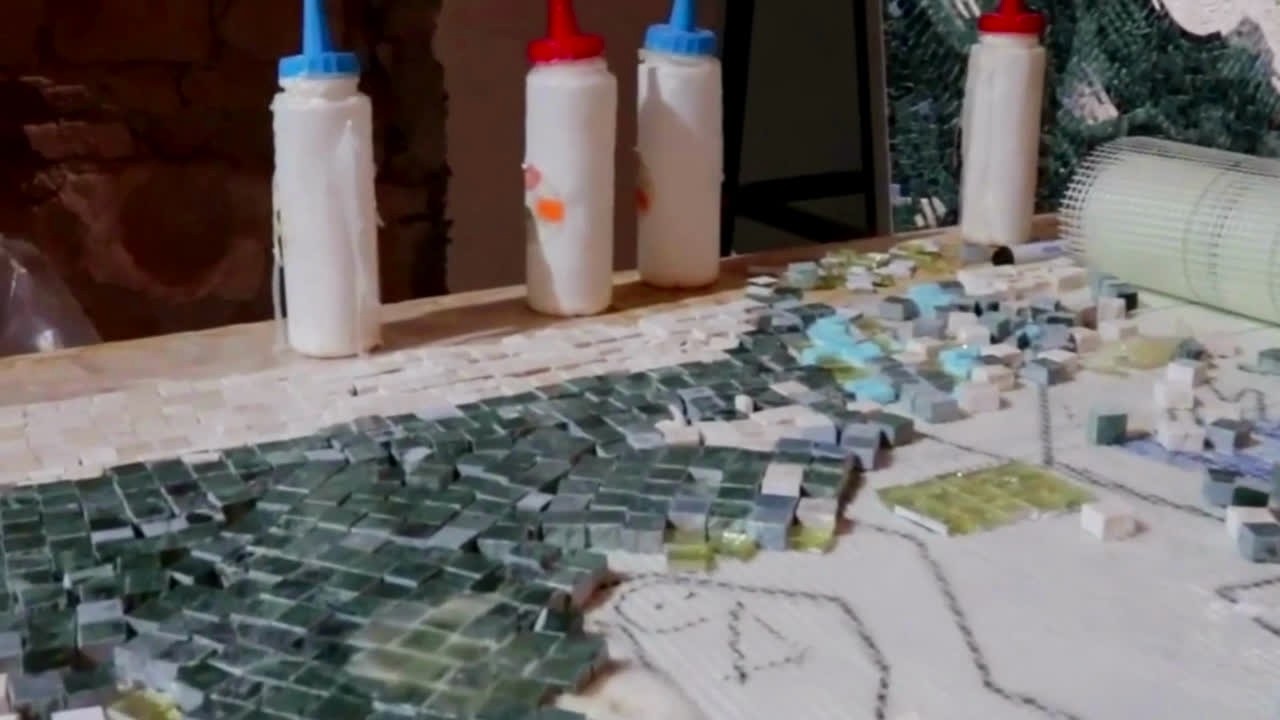
The first is the direct method, where the tesserae are placed directly onto the final surface. This allows the artisan to adjust the composition in real time, responding to proportions, light, and architectural details.
The second is the indirect or reverse method. In this case, the design is prepared on paper or other temporary supports, then transferred onto the permanent surface. This technique is often used for large or complex compositions and still requires an immense level of manual precision and planning.
Once the tesserae are set, a mortar or grout is applied, filling the joints and stabilizing the whole structure. After drying, the surface is carefully cleaned and sometimes polished, revealing the full vibrancy of the materials.
Materials as Living Elements
Traditional mosaic uses a wide range of materials: marble, natural stone, glass, enamels, gold, mother of pearl, and even semi-precious stones.
Each material reacts differently to light and time. Glass reflects and diffuses. Marble absorbs and softens. Gold leaf creates a living luminosity that changes throughout the day.
A skilled artisan knows how to combine these materials not just for visual impact, but to create atmosphere. This is where mosaic becomes spatial art, not just surface decoration.
A Craft for Contemporary Architecture
Today, handmade mosaic is used in some of the most refined contemporary projects: luxury hotels, private villas, religious spaces, high-end retail stores, and art installations.
Designers and architects choose mosaic not only for its beauty, but for its permanence. Unlike printed or synthetic surfaces, a handmade mosaic does not date easily. It ages with dignity. Over time, it becomes part of the building’s identity.
In an era dominated by speed and mass production, mosaic stands as a deliberate counterpoint. It demands time, patience, and respect for process. It rewards those values with surfaces that carry soul, memory, and timeless presence.
More Than a Surface
A mosaic is not just a collection of tiles. It is a composition of time, gesture, and intention.
Each piece holds the pressure of a hand, the decision of an eye, the rhythm of a mind. Together, they form something that no machine can replicate: a surface that speaks not only of design, but of human presence.
That is the true art of mosaic.
Let's
create
something
timeless
Whether you have a vision in mind or are just exploring, our team is here to bring beauty, purpose, and elegance to your space.